
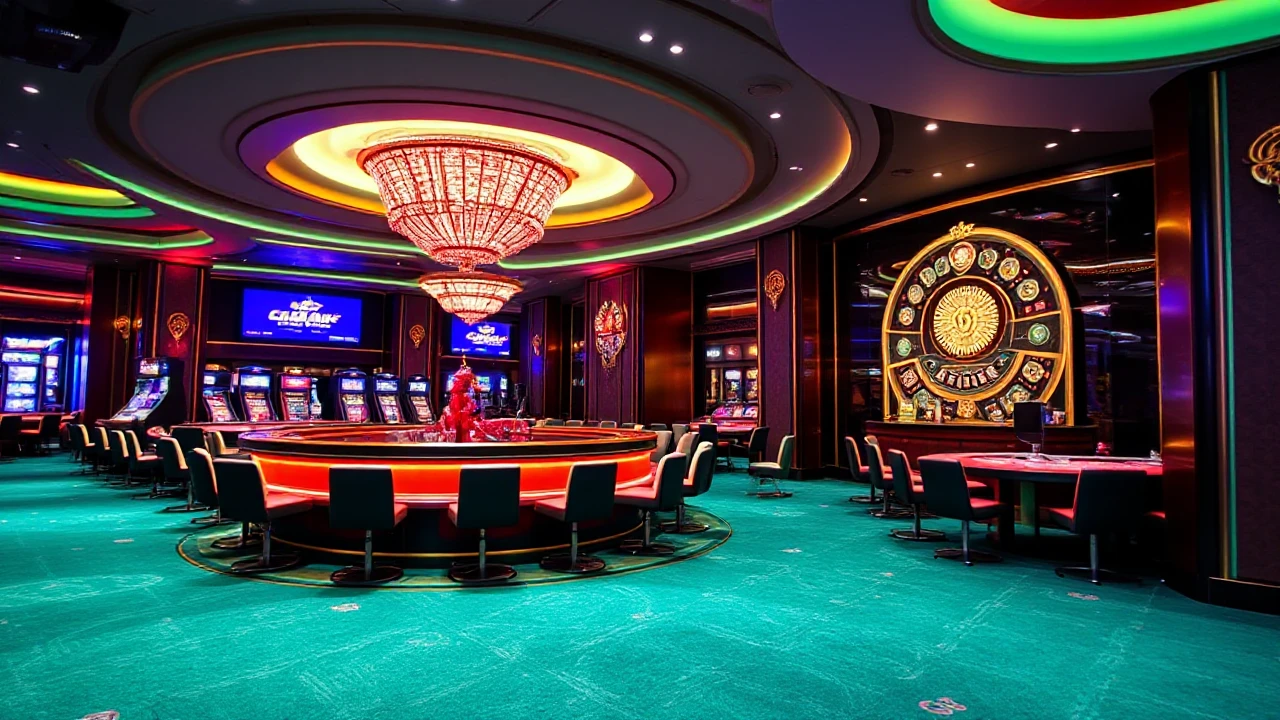
Gambling establishments is not just about gambling, but also about the strategically designed environment that surrounds players. The way casinos are designed is a complex field that blends architecture, psychology, and intentional strategies to create an unforgettable experience for visitors at GK88.
The Artistry Behind Casino Layouts
The way casinos are laid out are not random but carefully planned to maximize player engagement. From the moment players step inside, every detail is deliberately designed to stimulate their senses and keep them entertained. The thoughtful arrangement of tables and furnishings is aimed at creating a seamless flow that encourages movement and extended play.
Key Elements of Casino Design
- Use of colors: Hues play a crucial role in establishing the atmosphere of a casino. Warm colors like red and gold create a sense of energy, while cool colors like blue and green promote relaxation.
- Impact of Lighting: Properly designed lighting can enhance the general ambiance of a casino. Subtle lighting produces a inviting atmosphere, while bold lights attract attention to specific areas.
- The Role of Soundscapes: Audio engineering is crucial in building the appropriate mood. Background music keeps players at ease, while upbeat sounds heighten excitement.
Understanding Player Behavior in Casinos
Casinos are not just places to bet games but environments that shape player behavior. Psychological tactics are commonly used to keep players engaged and promote continued play. Knowing how gamers respond to different stimuli is essential for developers to create an engaging experience.
As stated by renowned casino designer Bill Friedman, "Casino design is not just about aesthetics but about creating an environment that keeps players coming back for more."
The Influence of Architecture on Behavior
How a casino is laid out can significantly impact how players navigate the space. Open areas with unobstructed pathways encourage exploration, while secluded corners can create a sense of intrigue. Design elements like reflective surfaces and overheads are strategically used to enhance a feeling of openness and freedom.
Creating a Lasting Impression
The design of a casino goes beyond aesthetics; it aims to leave a lasting impression on players. From the impressive foyer to the intricate decor within, every element is designed to evoke a sense of wonder and anticipation.
The Power of Emotional Design
Feelings play a key role in how players experience a casino. Creators use affective design elements like plush seating and welcoming layouts to create a sense of belonging. Through appealing to sentiments, casinos can build a loyal player base.
Conclusion: Crafting Memorable Experiences
To sum up, understanding the intricacies of casino design is crucial for creating memorable experiences for players. Through strategically incorporating emotional principles into design, casinos can enhance player engagement and foster long-term loyalty.
At the end of the day, the art of casino design is a potent tool that can influence the entire gaming experience. Designers who understand the art behind casino layouts can develop spaces that captivate players and encourage return visits for more excitement and entertainment.